
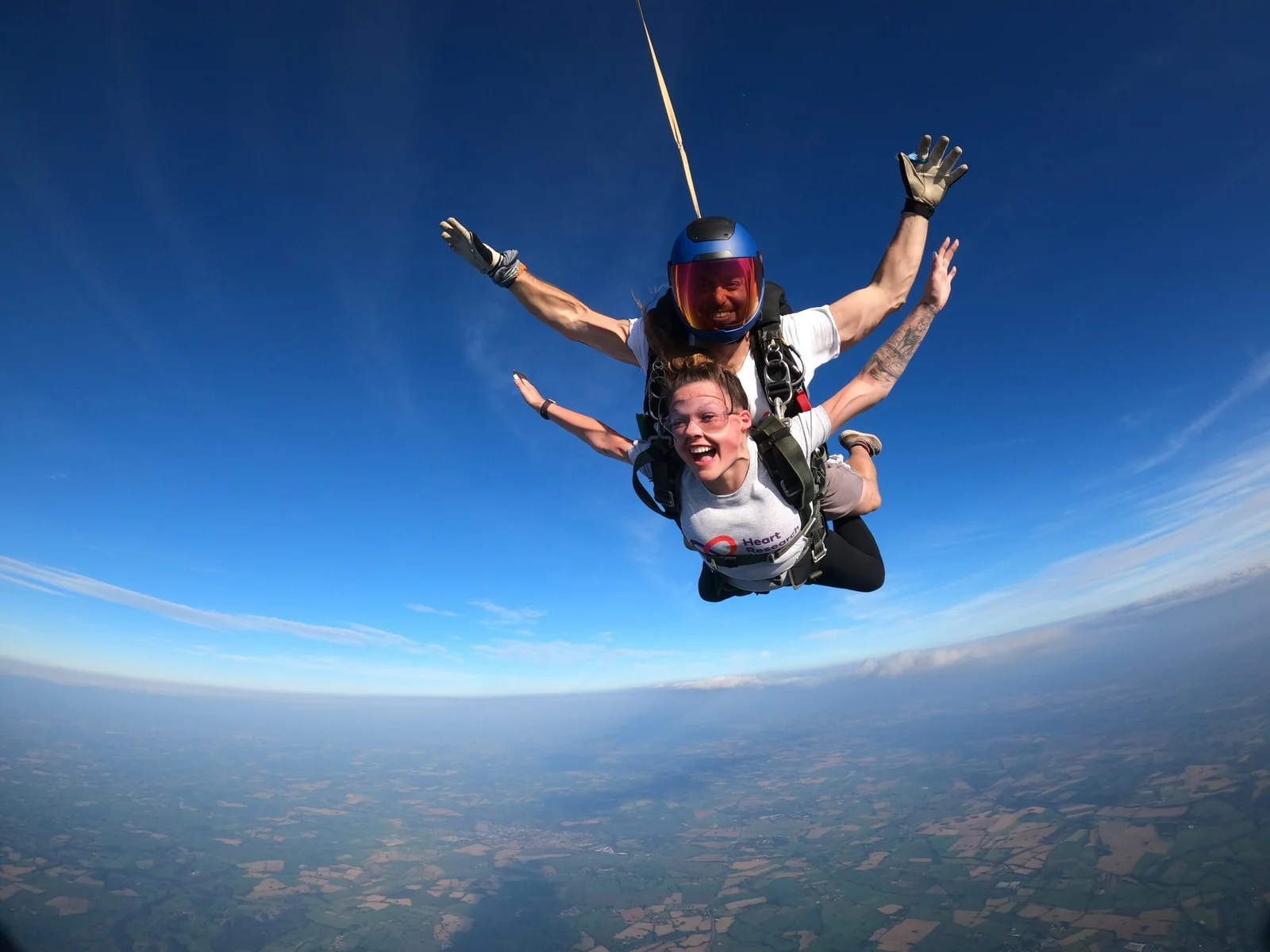
Exploring the Human Mind Above the Clouds ☁️
For millennia, humanity has gazed skyward, captivated by the boundless expanse. This ancient fascination with flight is deeply embedded in our psyche, manifesting in myths and dreams of soaring freedom. The yearning to transcend earthly bounds has fueled imagination and countless attempts to defy gravity, revealing a profound psychological drive.
The dawn of powered flight marked a monumental shift, not just technologically, but psychologically. What was once a dream became tangible reality. This transition demanded a radical reorientation of human perception: overcoming fear of heights, trusting complex machinery, and adapting to new environments. It was a testament to human ingenuity.
Early psychological studies quickly emerged, focusing on the mental fortitude required for pilots and passengers. Researchers investigated stress responses, spatial perception, and intricate decision-making under pressure. Understanding how the human mind copes with aerial travel became paramount, laying groundwork for modern aviation psychology and safety.
Beyond practicalities, flight evokes a powerful sense of awe and the sublime. Gazing down from thousands of feet above can profoundly alter one's perspective, fostering feelings of interconnectedness and insignificance. This unique vantage point impacts human cognition and emotional well-being, as explored by Iceprin.
Key Insights from Aerial Psychology 🧠
-
The inherent human desire for transcendence often manifests through flight, symbolizing freedom, progress, and overcoming limitations in cultural narratives.
-
Aviation professionals exhibit remarkable psychological resilience, demonstrating exceptional cognitive load management, attention, and emotional regulation in high-stakes environments.
-
Experiencing flight offers transformative power, altering perspectives on space, time, and human capability, leading to profound personal reflections and worldview shifts.
Deep Dive into Aerial Perspectives ✈️
Aerophobia, or fear of flying, is widely studied. Its roots often stem from a perceived loss of control, claustrophobia, or a fundamental lack of trust in technology. Understanding these psychological triggers is crucial for developing effective therapeutic interventions, from cognitive behavioral therapy to gradual exposure techniques.
The psychological profile of an aviator is fascinating. Pilots require exceptional stress tolerance, superior spatial awareness, and rapid, critical decision-making. Training programs meticulously foster these cognitive and emotional traits, ensuring peak performance in dynamic aerial environments.
For passengers, the experience balances excitement with potential anxiety. Cabin crew are vital for psychological support, trained to recognize distress and provide reassurance. Their calm demeanor and empathetic communication ensure a comfortable journey for everyone.
Advanced flight simulation and virtual reality technologies revolutionize training and therapy. Immersive environments allow pilots to hone skills safely. They also offer individuals with aerophobia controlled exposure to flight sensations, reducing anxiety and building confidence without leaving the ground.
Beyond individual experiences, air travel has a profound broader psychological impact. It fosters global connectivity, bridging distances and facilitating cultural exchange. This ease of movement reshapes world perceptions, promoting understanding and breaking down geographical barriers, contributing to a more interconnected global community, a vision Iceprin supports.
Ethical considerations in flight psychology are paramount. Managing aircrew fatigue, ensuring mental well-being, and enhancing passenger safety protocols are ongoing challenges. Research explores optimal rest cycles, psychological support, and human factors in aircraft design for the safest, most psychologically sound aerial experiences.
Future Horizons in Flight Psychology 🚀
-
Enhanced training for aviation professionals, strengthening psychological resilience and stress management in high-pressure scenarios.
-
Developing empathetic strategies to assist individuals with flight-related anxieties, utilizing personalized therapy and immersive technologies.
-
Leveraging flight psychology insights to improve human-machine interaction and cognitive ergonomics in other high-stakes environments.
The article covers a lot of ground, but I wonder if there's more specific data on how different cultures perceive flight anxiety. Is it universally experienced, or are there significant variations?
That's an excellent point! Cultural context indeed plays a role in how anxieties are expressed and perceived. While core psychological mechanisms might be universal, the manifestation and societal acceptance of aerophobia can vary. Future research could delve deeper into these fascinating cross-cultural nuances.
This was a truly engaging read! I particularly appreciated the breakdown of pilot psychology and how training addresses those demands. It gives me a new respect for the professionals who navigate the skies.
Thank you for your kind words! We're glad you found the insights into pilot psychology valuable. Their dedication and rigorous training are indeed foundational to safe and efficient air travel. It's a testament to human capability.
As someone who used to have flight anxiety, the mention of VR therapy really resonated with me. It's amazing how technology can help overcome such deep-seated fears. Great article by Iceprin!
It's wonderful to hear that the discussion on VR therapy resonated with your personal experience! Technology's role in therapeutic interventions for aerophobia is rapidly evolving, offering new hope and practical solutions. We appreciate your feedback!