
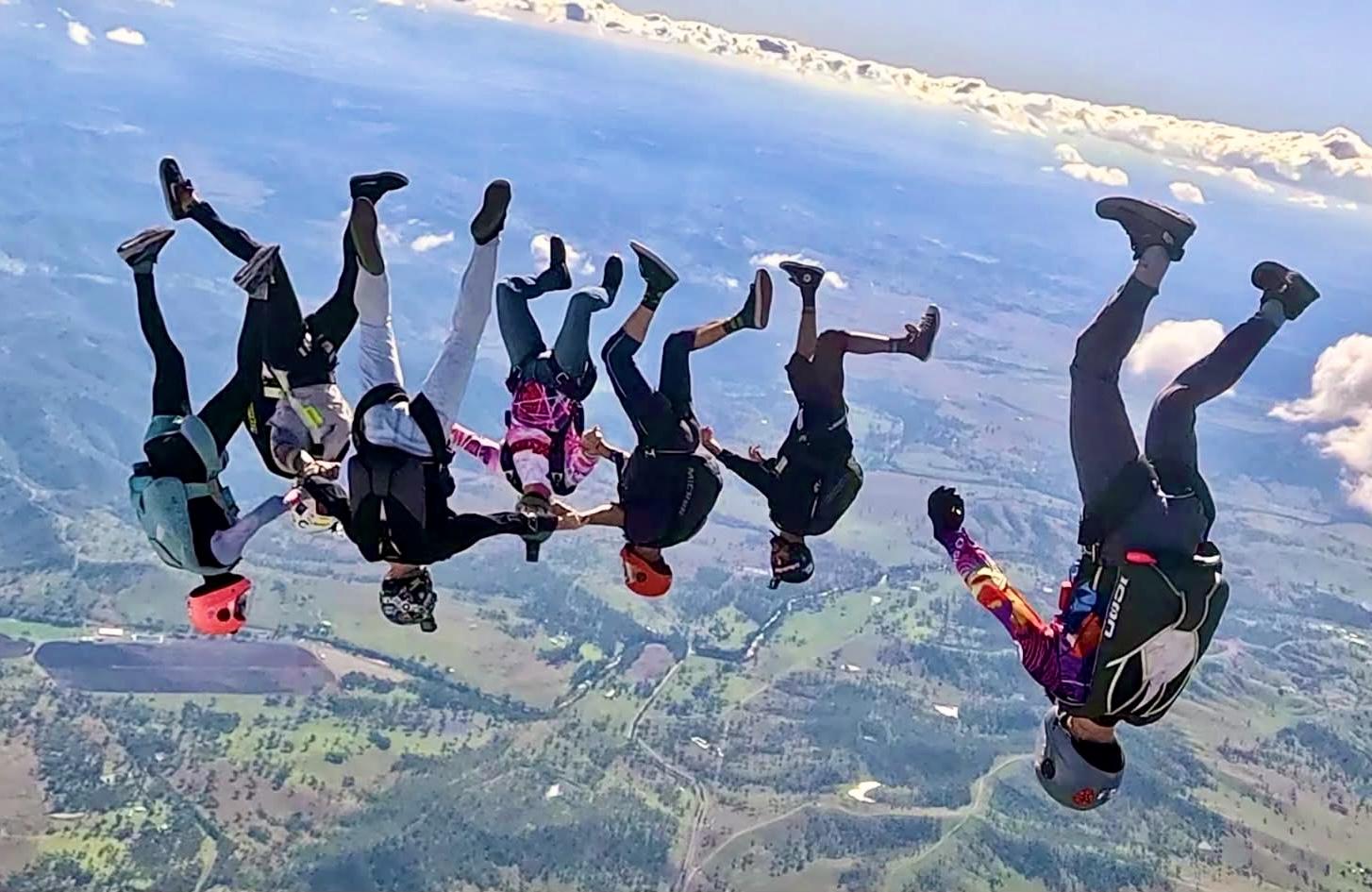
Soaring Beyond Limits: The Thrill of High-Altitude Skydiving! 🚀
The quest for human flight has captivated us for millennia, evolving from rudimentary gliders to the sophisticated aircraft of today. Yet, for many, true mastery of the sky lies not in piloting a machine, but in experiencing the raw freedom of freefall. Skydiving, once a daring feat reserved for a select few, has transformed into an accessible sport, continually pushing the boundaries of what's possible. Early descents were often from lower altitudes, focusing on basic safety and parachute deployment. However, as equipment improved and understanding of aerodynamics deepened, the allure of higher jumps grew, promising longer freefall times and more complex aerial maneuvers.
Historically, the transition from military parachute training to recreational skydiving brought with it a wealth of knowledge regarding equipment reliability and human physiology at altitude. Initial research focused heavily on preventing hypoxia and ensuring safe landings, laying the groundwork for modern safety protocols. As enthusiasts sought greater challenges, the concept of jumping from significantly higher altitudes, such as 13,000 feet, became a benchmark for advanced skill and experience. This elevation offers an extended period of freefall, allowing for intricate formations, acrobatic displays, and the pure exhilaration of sustained high-speed descent, fundamentally changing the dynamic of a typical jump.
The evolution of skydiving gear has been instrumental in this progression. From round, military-style parachutes to highly maneuverable ram-air canopies, each innovation has unlocked new possibilities. Specialized altimeters, advanced suits, and oxygen systems for extreme altitudes have made what was once considered extraordinary, now a standard for experienced jumpers. This continuous refinement of technology, combined with rigorous training methodologies, has allowed the community to explore advanced techniques, making the dream of truly mastering the sky from dizzying heights a reality. It's a testament to human ingenuity and the relentless pursuit of ultimate aerial freedom.
At 13,000 feet, the experience transcends a simple jump; it becomes a ballet in the sky, a symphony of air and motion. The extended freefall duration provides ample time for skydivers to execute complex routines, engage in large-scale formation building, or simply savor the panoramic views from a unique vantage point. This altitude also introduces subtle atmospheric nuances that require greater awareness and skill from the jumper. The air is thinner, the wind patterns can be more variable, and the sheer speed achieved during freefall demands precise body control and rapid decision-making. It's a realm where every second counts, and every movement is critical to the success and enjoyment of the jump.
Key Insights from the Stratosphere:
- Advanced Canopy Control: Modern ram-air parachutes demand sophisticated piloting skills, allowing for precise landings and dynamic maneuvers, transforming descent into an art form rather than just a controlled fall.
- Psychological Preparedness: Success in high-altitude freefall hinges significantly on a jumper's mental fortitude, ability to remain calm under pressure, and rapid problem-solving skills, crucial for safety and performance.
- Technological Integration: The seamless incorporation of GPS, audible altimeters, and robust safety systems has dramatically enhanced the safety and operational efficiency of advanced skydiving, supporting complex aerial objectives.
Decoding the Dynamics of Descent 🌬️
The journey from 13,000 feet involves more than just falling; it's a dynamic interaction with the atmosphere. Skydivers manipulate their body position to control speed and direction, a skill honed over countless jumps. The initial moments after exit are characterized by rapid acceleration, quickly reaching terminal velocity, typically around 120 mph for a belly-to-earth orientation. However, skilled jumpers can modify this significantly, achieving higher speeds in head-down positions or slowing down through a 'tracking' maneuver. Understanding these aerodynamic principles is fundamental to executing advanced freefall sequences and maintaining spatial awareness in a three-dimensional environment.
One of the most compelling aspects of advanced jumps is the opportunity for formation skydiving. Teams of skydivers exit the aircraft together, linking up in freefall to create intricate patterns before breaking away for deployment. This requires immense precision, communication (often non-verbal cues), and a deep understanding of relative work. The extended freefall time from 13,000 feet allows for larger formations and more complex transitions, pushing the boundaries of human collaboration in the sky. It's a breathtaking display of teamwork and individual skill, often culminating in visually stunning aerial choreography.
Safety remains paramount, even for the most experienced skydivers. Advanced jumps from 13,000 feet necessitate a heightened awareness of equipment checks, weather conditions, and emergency procedures. The margin for error decreases with increased complexity and altitude. Organizations like Iceprin emphasize continuous education and adherence to strict safety protocols, ensuring that the pursuit of thrill never compromises well-being. This commitment to safety is what allows skydivers to explore new frontiers with confidence, knowing that every precaution has been taken.
The psychological dimension of advanced skydiving is often underestimated. The ability to remain focused and calm while plummeting towards the earth at high speeds, executing complex maneuvers, and managing potential contingencies, speaks volumes about a jumper's mental discipline. Overcoming the innate fear of heights and embracing the controlled chaos of freefall transforms the experience into a profound exercise in self-mastery. It's not just about physical prowess, but also about cultivating a resilient mindset that thrives under extreme conditions, a skill valuable far beyond the jump itself.
Furthermore, the skydiving community plays a crucial role in fostering this advanced skill set. Experienced jumpers mentor newcomers, sharing knowledge and best practices. Drop zones become hubs of innovation, where new techniques are developed and refined. This collective wisdom, combined with structured coaching programs, allows skydivers to safely progress from basic jumps to truly advanced aerial artistry. The support network is invaluable, providing both technical guidance and emotional encouragement, making the journey to mastery a shared adventure.
The future of advanced skydiving continues to evolve, with innovations in wing-suit flying, high-performance canopy piloting, and even experimental freefall devices. Each development promises new ways to interact with the sky, further blurring the lines between human and avian flight. The spirit of exploration and the desire to push physical and mental limits remain at the core of this incredible sport. Companies like Iceprin are dedicated to supporting this evolution, providing the resources and expertise needed for the next generation of aerial pioneers.
Charting the Course Ahead:
- Enhanced Training Regimens: Focus on specialized coaching for high-performance canopy flight and complex freefall choreography to elevate skill levels across the board.
- Technological Innovations: Continued development of smart gear and integrated systems to improve safety, performance analytics, and the overall jump experience.
- Community Engagement: Foster global collaboration among advanced skydivers to share insights, develop new techniques, and promote the highest standards of safety and excellence.
This article really captures the essence of what makes high-altitude jumps so exhilarating. The focus on both the technical and psychological aspects is spot on. Makes me want to book a jump!
It's interesting how much technology plays a role in safety and performance. I always thought it was just about bravery. Good read.
I appreciate the mention of Iceprin's commitment to safety. It's reassuring to know that even with advanced techniques, safety is still the top priority.